About the city
A walled city, wide open
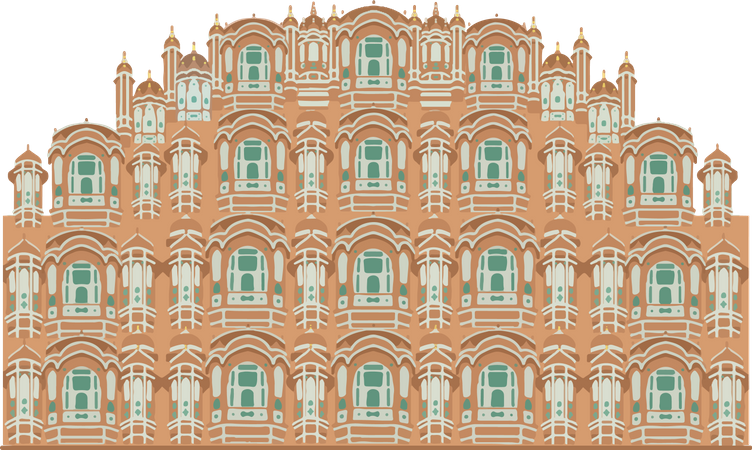
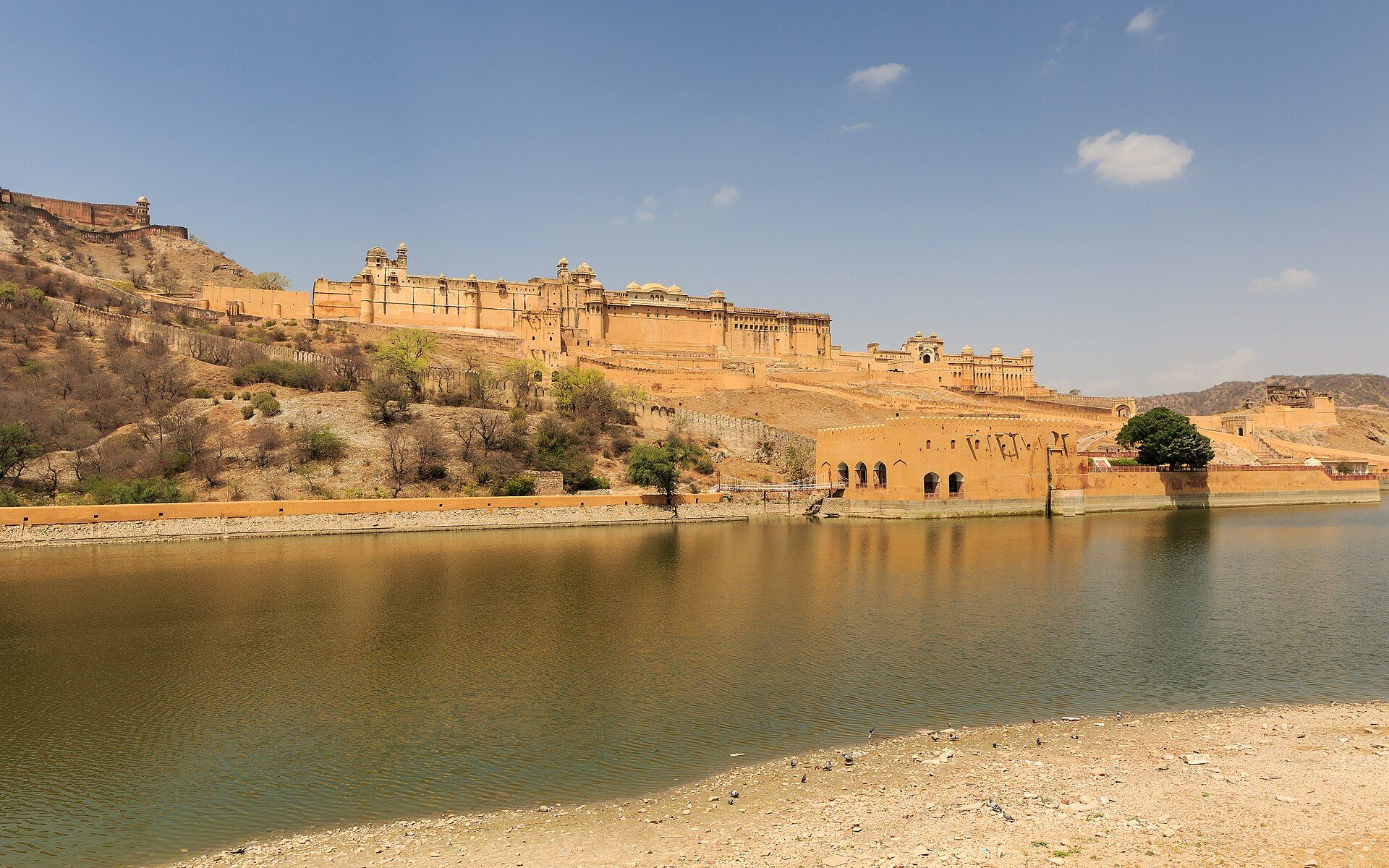
Jaipur is a planned capital that still feels lived-in: rose walls, hilltop forts, and markets that have traded for three centuries.
The old city
Inside the Pink City
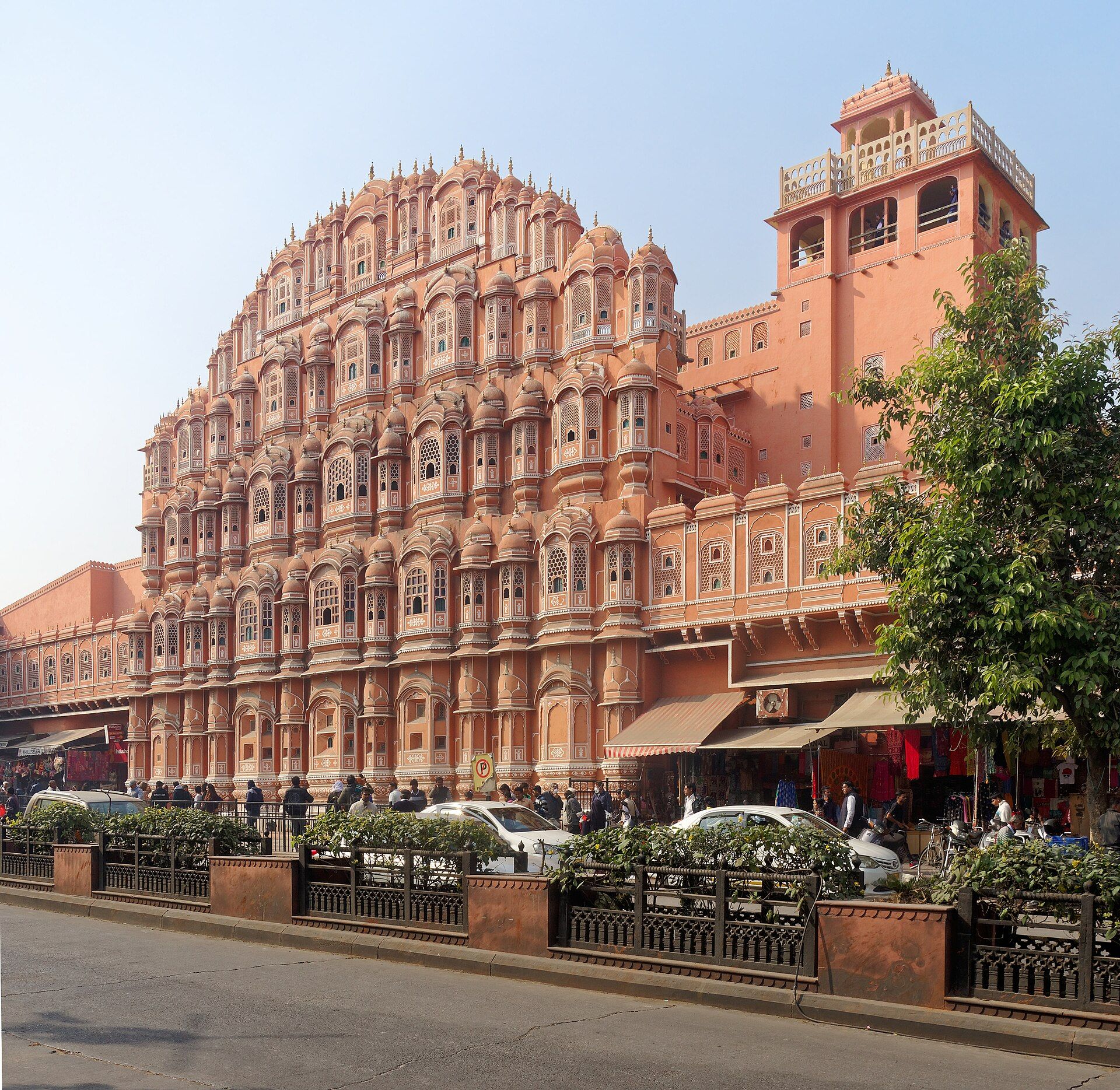
The old city sits behind pink walls, entered through gates whose names are still used as landmarks. Inside, the streets follow the grid Jai Singh II drew in 1727 — wide bazaars crossed by narrower lanes, each quarter given to a trade.
Johari Bazaar has sold gems for generations; Tripolia Bazaar is the street of bangles and lac jewellery; the flower and spice markets sit near the temples. The colours, the shop fronts and the traffic are all part of it — Jaipur is a city to move through slowly, not to hurry past.
When to come
The seasons of Jaipur
October to March
The best months
Cool days and clear skies, and the year's festivals — Diwali, Makar Sankranti, and the Jaipur Literature Festival.
April to June
The hot months
Dry and hot, best for early mornings and air-conditioned afternoons — the monuments are quiet.
July to September
The green months
The monsoon greens the hills, and Teej arrives with swings, processions and plenty of ghewar.
Good to know
Practical questions
How do I get around?
Inside the old city, walk. Between the forts and palaces, take a car with a driver — it is the easiest way to cover Amber, Nahargarh and the old city in a day without worrying about parking.
What should I wear?
Light, loose clothes and comfortable shoes. Carry a scarf or shawl for temple visits, where shoulders and knees are usually covered. A hat and water help in the warmer months.
Is it safe for solo travellers?
Jaipur is generally welcoming to visitors, including solo travellers. As in any city, keep an eye on your belongings in crowded markets and use a trusted guide or driver for the out-of-town forts.
How many days do I need?
Two full days covers the highlights at a comfortable pace. Add a third for a food walk, the bazaars done properly, and a sunset at Nahargarh without rushing.
Ready to go